
Racing with sticky RC tires is a great way to gain an edge over competitors, especially when driving in potentially tricky terrain. However, most stock tires won’t have the stickiness required to maintain proper traction when racing on a track. So how can you make your RC tires sticky?
Here’s how you can make your RC tires sticky:
- Soak tires in WD-40 solution.
- Spray non-slip tire adhesive.
- Spray or soak tires using bleach.
- Soak tires in a sugar and water solution.
- Mix transmission fluid, paint thinner, and acetone solution.
- Clean tires with a wheel cleaner.
- Apply Tire Sauce
- Use Silicone Spray
If you’re looking for ways to make your RC tires stickier, then you’ll find this article helpful. Read on to learn what products to use and how to use them effectively.
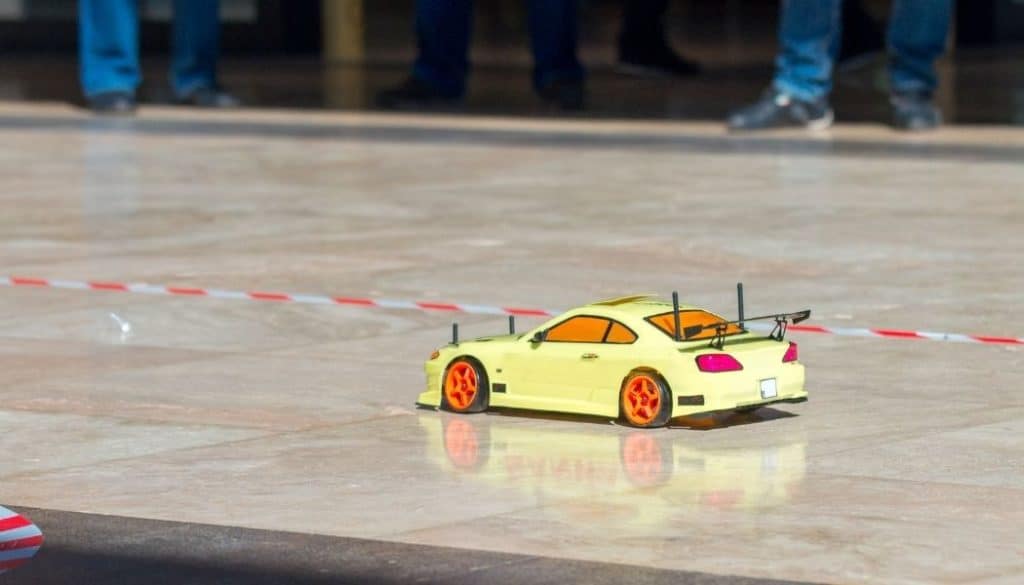
Benefits of Sticky RC Tires
Sticky tires come with a lot of benefits that can give professional racers and enthusiasts an edge when racing on various tracks.
Below is a short explanation of some of these benefits.
- Sticky tires make better contact with the ground. Sticky tires are great for all-track racing as they ensure the RC car makes great contact with the ground. You can race with sticky tires on virtually all types of grounds without having to worry about grip.
- Sticky tires allow for improved performance. Drivers who make their tires sticky before a race have increased chances of performing better than those who don’t make any tire modifications. This is because sticky tires allow drivers to accelerate or halt immediately, which can make a huge difference in tight races.
- Sticky tires enhance an RC car’s versatility. One of the many ways to enjoy RC car racing is switching up tracks and trying different challenges. Luckily, with a set of sticky tires, you’ll be able to drive your car even in the toughest of terrains.
Is Making RC Tires Sticky Worth It?
Sticky tires will allow you to gain an edge over competitors, especially when navigating sharp corners. You’re also likely to have better control of your car when racing on sticky tires. Drivers will also have increased chances of maximizing a car’s power and potential.
Different Methods To Make Your RC Tires Sticky?
There are many ways to make your RC cars stickier for improved performance. As you’ll observe below, most of the methods involve applying chemicals or products that can react with rubber tires to make them stickier.
Here are some proven ways to make RC tires sticky:
1. Soak Tires in WD-40 Solution
WD-40 is a popular product in the racing world for a reason. Not only is it great at increasing a tire’s gripping ability, but it also helps treat the surface and remove impurities. Therefore, by soaking tires in the WD-40 Multi-Use Lubricant (available on Amazon.com), you’ll be making them both softer and stickier.

However, to make stock tires extra sticky, you might need to leave them in the WD-40 solution for a considerable amount of time, say 4-6 hours. You can also leave your tires soaked in WD-40 overnight if you want them super sticky.
2. Spray Non-Slip Tire Adhesive
You can find a host of non-slip products for tires like the Bare Ground Tire Grip Spray on Amazon.com. Most of these products are easy to apply as you’ll only need to spray them on the surface of your tires and allow them to sit for two to three hours before use.

The Bare Ground Tire Grip Spray will make your tires both softer and stickier, allowing you to navigate past those sharp corners with relative ease. Even better, the spray has a longer stickier effect on tires compared to other products, meaning you won’t need to repeat the process whenever you plan on racing.
3. Spray or Soak Tires Using Bleach
Bleach is also a great way to soften your tires and make them stickier. The trick is to put some bleach in a spray bottle and spritz it on the surface of your tires, more specifically, the treads. Alternatively, you can also remove the tires and soak them in a bleach solution. When soaking tires, however, it’s best to avoid letting them soak for several hours.
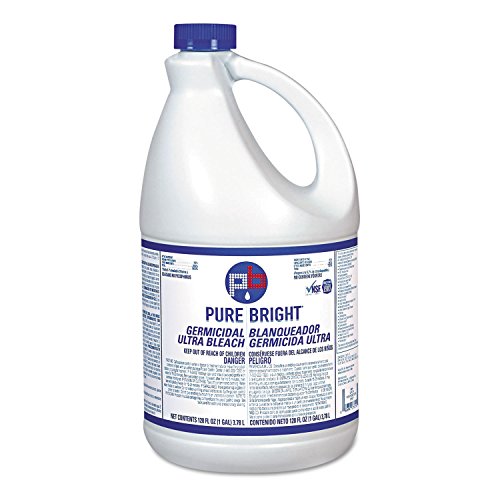
Allowing tires to stay excessively longer in bleach will almost certainly damage the surface. Therefore, try checking on the soaking duration, preferably removing the tires once they become soft and sticky. It’s best to use high-quality bleach like the Pure Bright Liquid Bleach (available on Amazon.com) if you prefer going the bleach route.
4. Soak Tires in a Sugar and Water Solution
Another easy way to make your RC tires sticky is using the old sugar and water method. Soaking your tires in a solution of water and sugar will make your tires stickier without the risk of damaging the rubber.
When using this good old trick on your tires, it’s crucial to check on your sugar-water ratio. Ideally, the solution should be 5 lbs (2.26 kgs) sugar to 7-10 gallons (26.49-37.85 liters) of water. Allow your tires to soak in the water for three to five hours (or even more) before reinstalling them back to the car.
5. Mix Transmission Fluid, Paint Thinner, and Acetone Solution
This method might prove a bit too complicated for beginners but will get the job done nonetheless. Take paint, thinner, transmission fluid, and acetone (in equal parts) and mix them carefully until they form a uniform solution.
Using a thick cloth or clean rag, apply the solution on your rubber tires and allow them to sit for 20 minutes to an hour. While this method is primarily meant for softening rubber tires, it can also help make them super sticky in the process.
In case you choose to use this method, it’s best to gear up with the right safety equipment. Ensure you have high-quality gloves and work in a place where children or pets won’t come into contact with the solution.
6. Clean Tires With a Wheel Cleaner
Sometimes, the best way to make RC car tires soft and sticky is to clean them up with a highly concentrated solution. Products like the Griot’s Garage Wheel Cleaner (available on Amazon.com) can do a lot of justice to your tires, especially when used regularly.
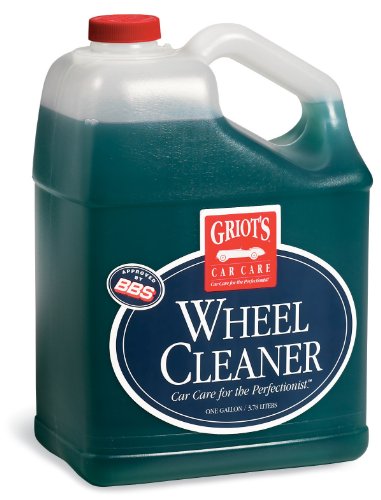
And although wheel cleaners are meant for wheels, they can also make your tires a lot stickier when used correctly. The trick is to place your preferred cleaner into a spray bottle and spritz it all over your tires. Allow the solution to stay on the tires for about 30 minutes before rinsing them up.
You can also soak your tires directly inside a wheel cleaner solution. However, to reduce the risks of damaging the tires, it’s best to avoid letting the tires sit in the solution for extended periods.
7. Apply Tire Sauce
Using a tire sauce is another great way to make RC cars sticky. However, to get the right results, it’s important to use trusted products like the Skinnies Skreecret Sauce (available on Amazon.com). Use a brush to apply a generous amount of the sauce on the tires and let them sit for several minutes.
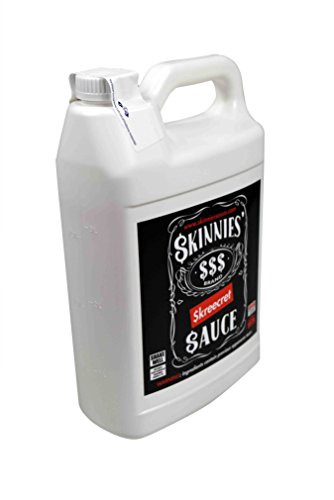
The good thing with tire sauce is it doesn’t take long to penetrate the surface of your tires, meaning you won’t have to soak your tires for extended periods. For best outcomes, however, you should apply the sauce before a race.
8. Use Silicone Spray
Silicone spray is also another great way to soften tires and make them sticky. Consider using top drawer products like the Liquid Wrench Silicone Spray from Amazon.com, as they’ll make your tires stickier without damaging the rubber.
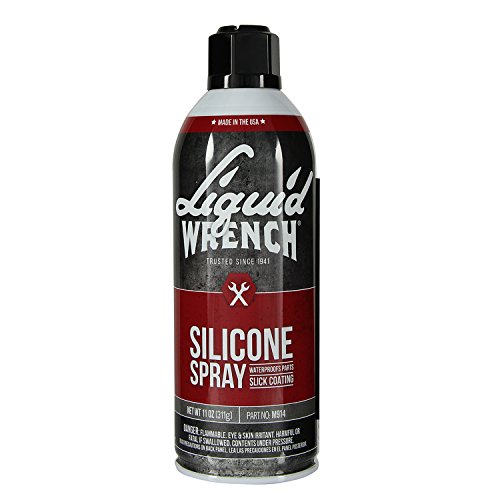
And although the Liquid Wrench Silicone Spray is primarily meant to lubricate surfaces, you can also use it on your tires. Spraying the product and allowing it to sit on the tires for three to five hours will leave your tires a lot stickier than before.
Some silicone sprays are reactive on rubber, so it’s best to buy a spray made from a rubber-friendly formula. Some experts insist that tires should be soaked in hot water after a dose of silicone spray to make them extra sticky.